

Reading Intent
At Abbey Mead, we take pride in providing our pupils with a rich and inspiring learning environment where imagination and creativity thrive.
Our carefully structured phonics curriculum ensures that every child develops the essential skills and knowledge to become confident, enthusiastic readers with a genuine love for books. We believe that reading opens doors – not only to academic success, but also to cultural, emotional, intellectual, social, and spiritual growth.
Early reading and phonics are a key focus in our school improvement plan and are prioritised across all teaching and learning. We recognise that many children join our Nursery and Reception classes with limited vocabulary and comprehension skills.
That’s why our commitment is to give every child the strongest possible start in their education. We do this through the effective teaching of systematic phonics and by embedding a vocabulary-rich curriculum that supports language development and nurtures a lifelong love of reading.
Phonics Scheme
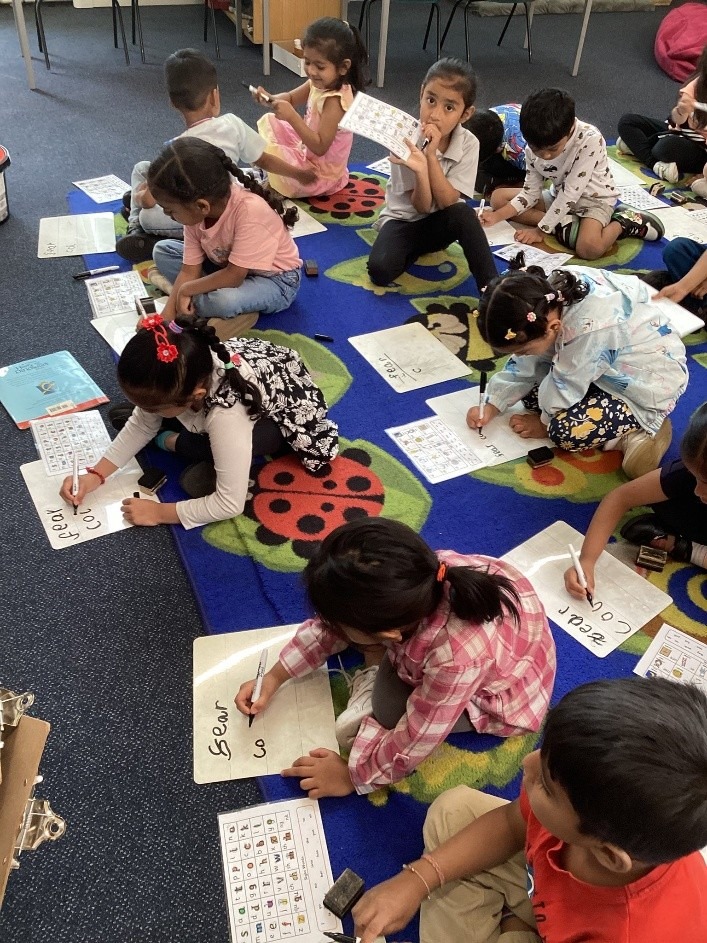
The school follows The Partnership Phonics Scheme to help children develop their reading and writing skills from an early stage. Through daily phonics lessons, children build a genuine love for reading and writing as they progress through Reception and Key Stage 1. They learn 44 ‘pure sounds’ and apply this knowledge to blend sounds into new words. Alongside this, children write every day, using their sound knowledge to rehearse what they want to say before writing it down using the sounds and ‘sight words’ they have learned.
To support their progress in phonics, pupils are given a reading book that matches their current phonics level and contains sounds they have already learned in lessons. This helps to build their independence and boost their confidence as readers. In addition, children choose another book to take home and enjoy being read to by an adult, encouraging a love of stories and shared reading experiences.
Regular reading with a teacher and in small groups ensures that pupils at Abbey Mead make steady progress through the phonics programme and are matched with books that provide the right level of challenge.
We greatly value the support of our parents and carers—there’s so much you can do to help your child develop essential early literacy skills and grow into a passionate, lifelong reader and writer.
To learn to read, children need to:
Learn 44 sounds (phonemes) and the corresponding letters or letter groups (graphemes)
Learn to read words by blending these sounds together
It’s important that children practise their sounds at home to improve their pronunciation and fluency. The videos below are designed to support you with this.
Useful Links
How to pronounce Phase 2 sounds
How to pronounce Phase 3 (part 1) sounds
Reading at Home
All children take home a levelled reading book. For pupils in Reception and Year 1, this is a phonetically decodable book aligned with their phonics learning. Pupils in Years 2 to 6 receive an Accelerated Reader (AR) book, unless they are currently receiving phonics interventions. In addition, every child selects a book from our school library to enjoy at home with an adult – encouraging shared reading and a love of stories.
Reading regularly at home has a powerful impact. Consider this:
- Never read to: ~4,662 words heard by age 5
- 1–2 times per week: ~63,570 words
- 3–5 times per week: ~169,520 words
- Daily: ~296,660 words
- Five books a day: ~1,483,300 word
To encourage home reading, we run a reading incentive. Each time a child reads at home, they earn a dojo point..
Love of Reading!
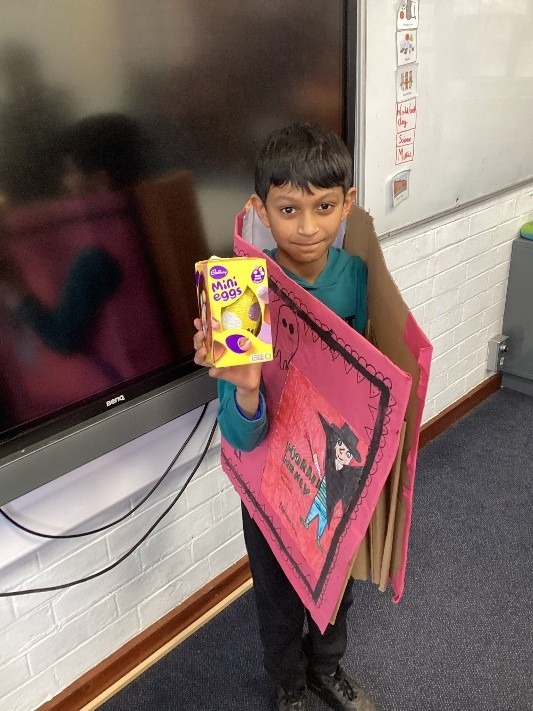
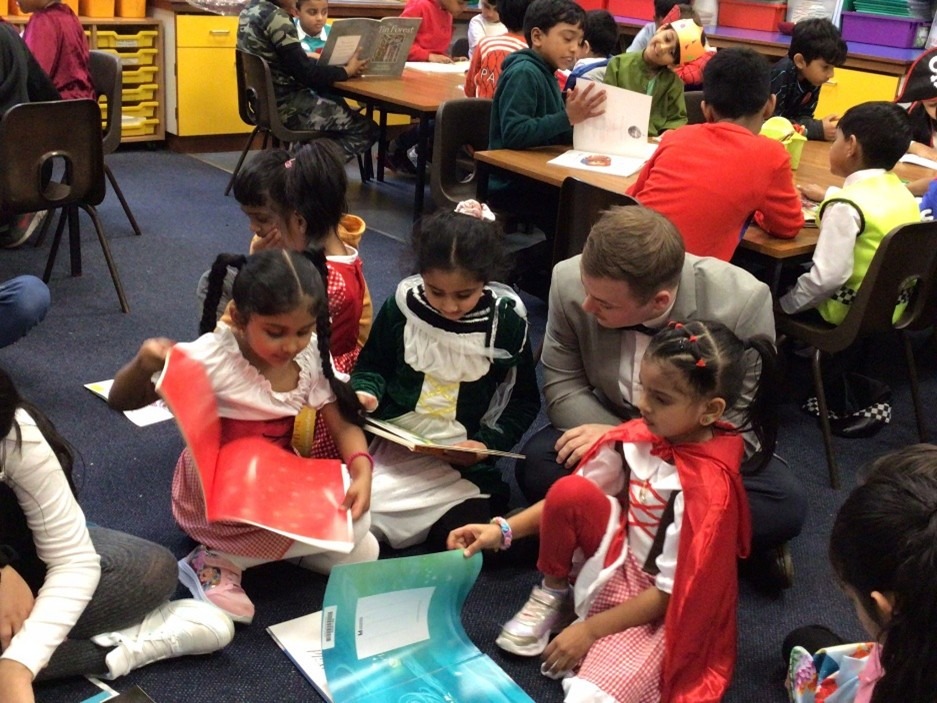
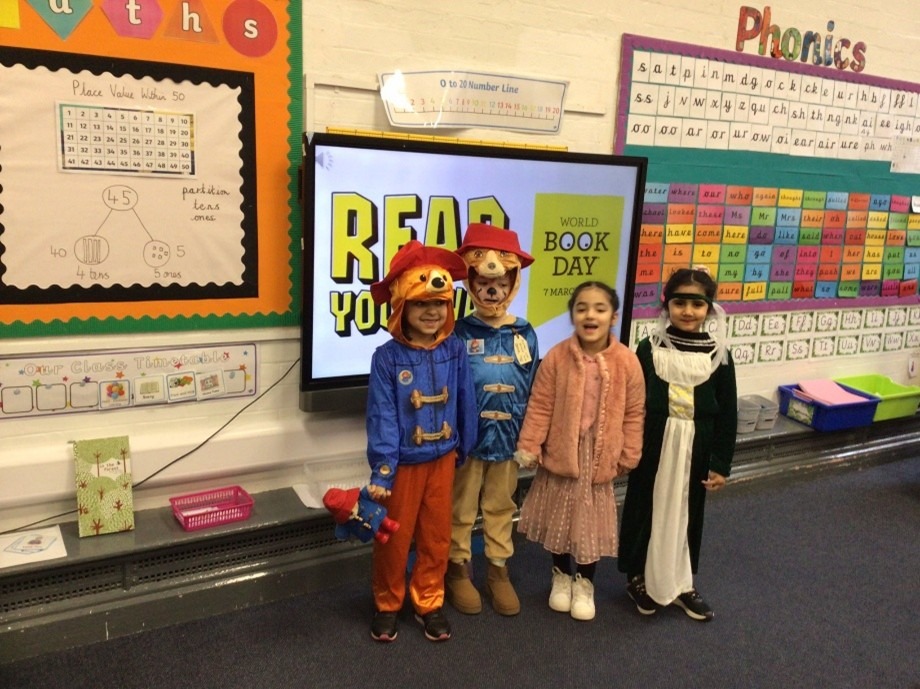
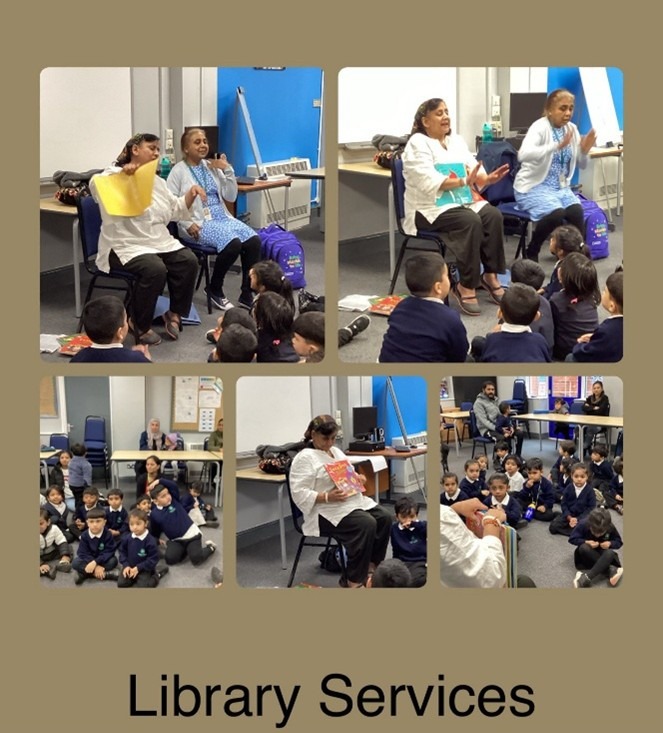
At Abbey Mead, we are passionate about inspiring a love of reading in our children. We provide plenty of opportunities throughout the day for pupils to enjoy quiet reading time or to be read to by a teacher. Our reading events calendar is packed with exciting activities, including dress-up days, bedtime stories with parents, and reading sessions within our local community.
Take a look below at some of our recent reading events – we love celebrating stories together!
 |
 |
 |
 |
Subject Policy
Subject leader/s
Sam Healey – Reading Lead
Zahra Mahomed – Reading Lead
Minal Surani – Phonics Lead